Save 40% plus free shipping during our Summer Sale! Browse books.

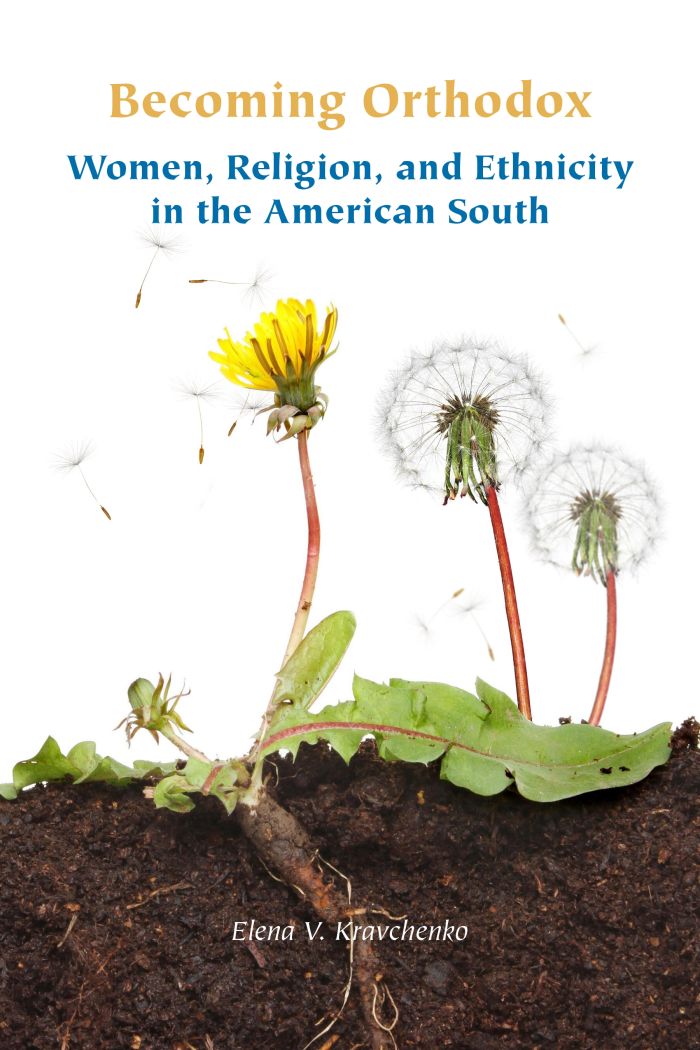
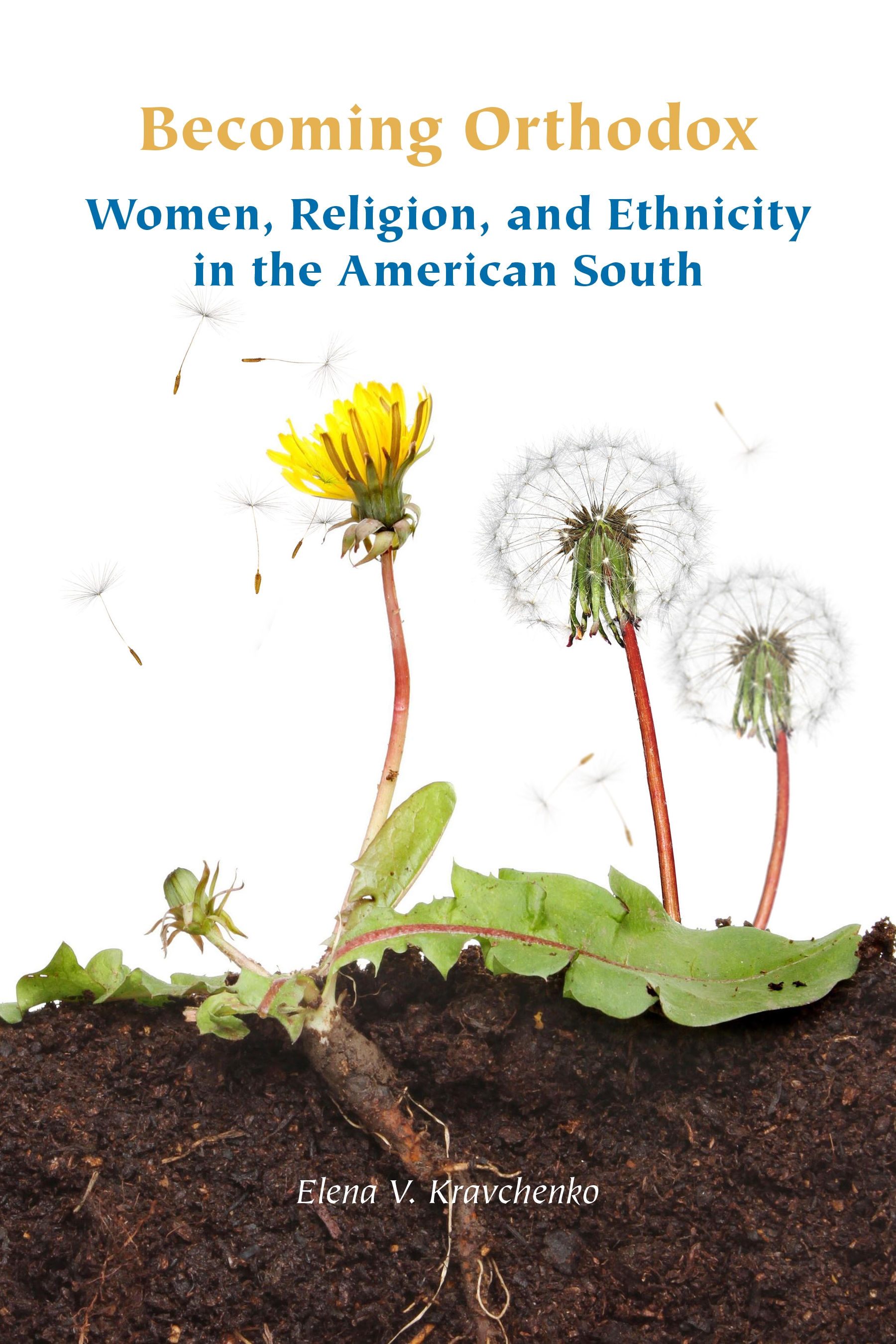
Becoming Orthodox
Women, Religion, and Ethnicity in the American South

This book can be opened with

An exploration of an embodied, practice-centered, and continuous process through which Orthodox Christian women in the American South cultivate a compelling religious womanhood
Becoming Orthodox is a multi-lingual, ethnographic study of two Orthodox Christian communities in the US. Utilizing interview material, participant observation, and participant participation, Kravchenko argues that Russian women who immigrate to the United States and American women who convert to Orthodox Christianity engage with the materiality and visuality of the Orthodox Church to embrace conservative gender roles of a patriarchal tradition in a way that propels them to actively advocate for the equality, freedom, and empowerment of women.
Becoming Orthodox adds a new angle to the literature on the conservative religious women because of its attention to the intersection of religion, gender, and ethnicity. By attending to how Russian immigrant and American convert women—in the midst of their simultaneously sympathetic and antagonistic relationships—made choices about what icons to venerate, what prayers to use, how to dress, what food to cook, and how to raise their children, the book demonstrates that the project of becoming a good Orthodox woman was entangled in the project of defining what it means to be authentically “Russian” and “American.” Through performative ethnographic writing, the book illuminates how, in the social context of immigration and conversion, Russian and American women commonly sought to create a place of belonging by constructing meaningful ethno-religious homes and producing their respective Russian Orthodox and (Un)Russo-American Orthodox identities.
Kravchenko traces the multiple ways leading American and Russian women in the United States to actively make Russian Orthodoxy part of their lives and worldviews. Her first-hand ethnographic material challenges a persistent stereotype of Orthodox women’s unconditional submission to male authority. The author meticulously unpacks her interlocutors’ socially embedded and actively negotiated notions of obedience and gender equality shaped by complex life trajectories.—Detelina Tocheva, author of Intimate Divisions: Street-Level Orthodoxy in Post-Soviet Russia
Introduction: Becoming Orthodox as Russian Immigrant
and American Convert Women in the American South | 1
1 Becoming Orthodox by Building a Church | 27
2 Becoming Orthodox in the Sanctuary | 55
3 Becoming Orthodox Women in the Kitchen (and Other Spaces) | 82
4 Telling Stories of Becoming Orthodox | 115
5 Becoming Familiar with the Saints | 152
6 Becoming Obedient Advocates for Women | 189
7 Disciplining Children into Becoming Orthodox | 228
Conclusion: Thoughts and Feelings about Ethnography and Orthodox Christianity | 261
Acknowledgments | 269
Notes | 273
Works Cited | 321
Index | 335