Save 40% plus free shipping during our Summer Sale! Browse books.

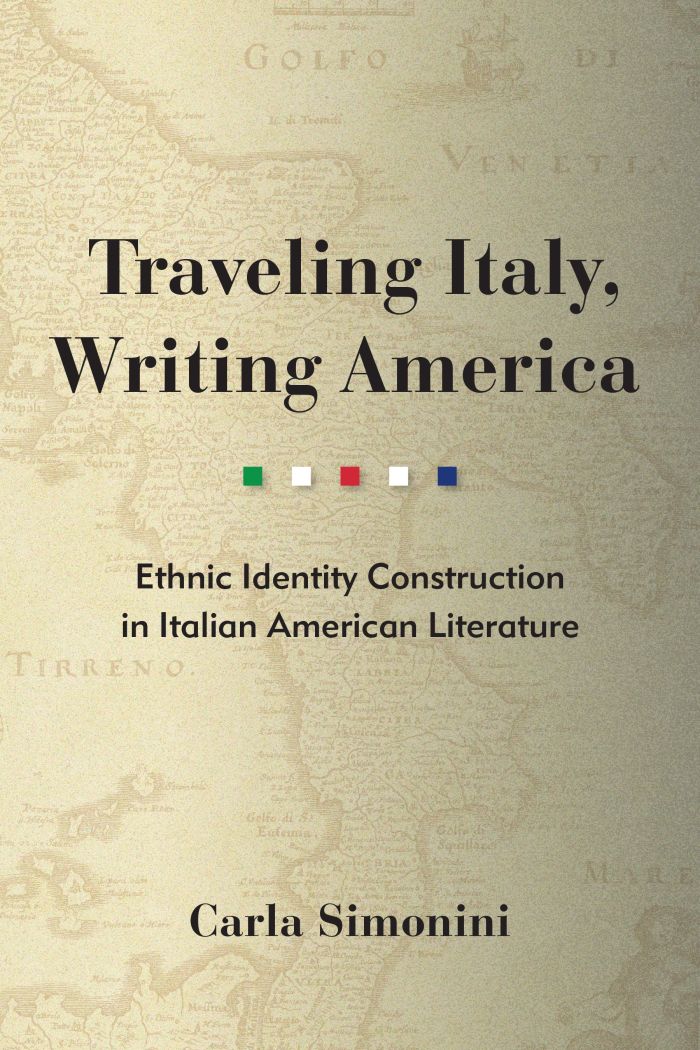
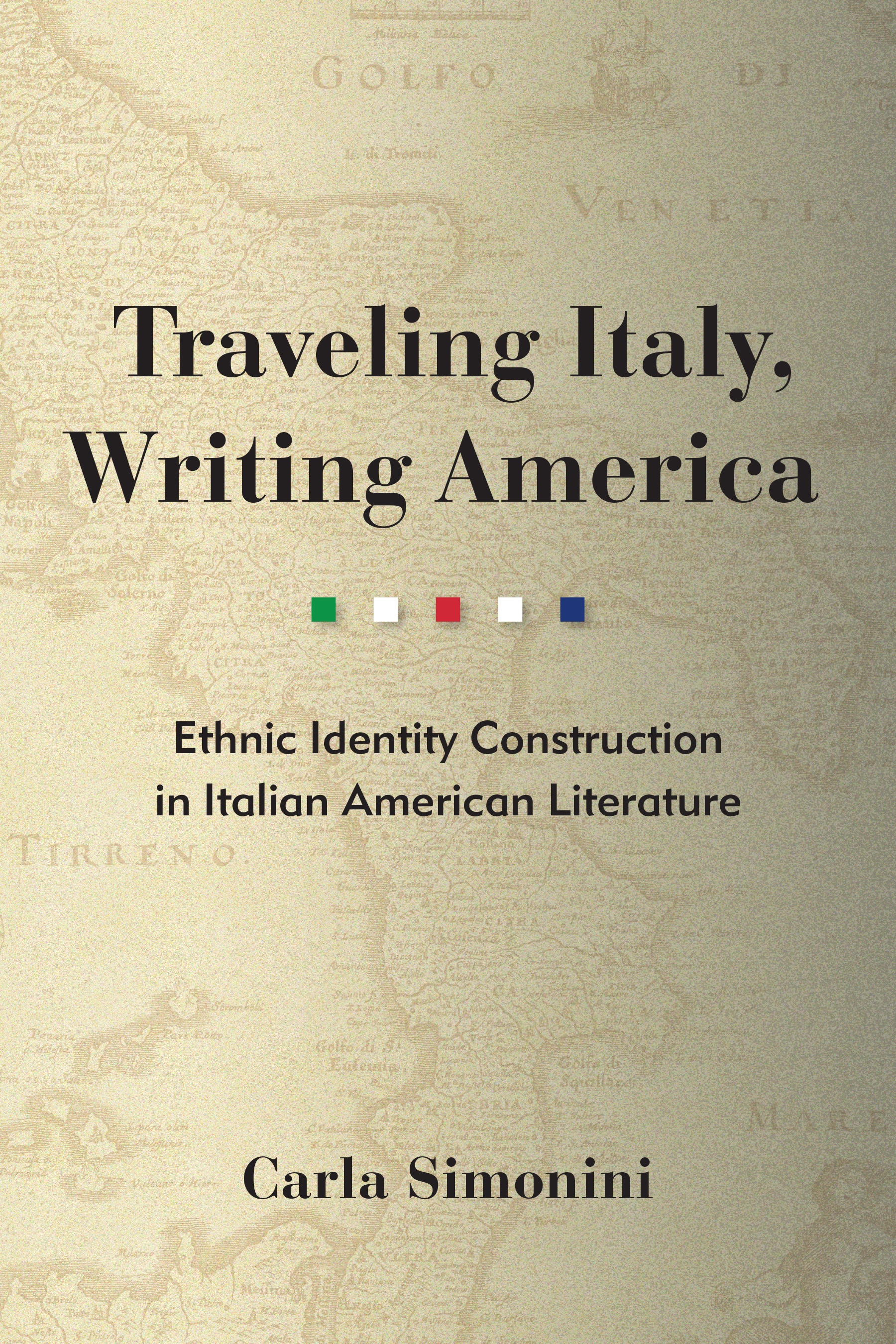
Traveling Italy, Writing America
Ethnic Identity Construction in Italian American Literature

This book can be opened with

Illuminates why Italy continues to captivate the American imagination, connecting classic literature to contemporary memoirs and popular media that still view Italy as a site of transformation, desire, and reflection
Traveling Italy, Writing America argues that the American idea of Italy, at once sunny and dark, refined and excessive, has played a crucial role in shaping both U.S. national identity and Italian American literary self-fashioning. The book shows how this idea was forged in nineteenth-century American travel writing and later reimagined by early Italian American authors as a means of claiming cultural legitimacy within the United States.
Beginning with Margaret Fuller, Nathaniel Hawthorne, William Dean Howells, Mark Twain, and Henry James, the study demonstrates how Italy became a stage on which Americans rehearsed questions of taste, class, and national identity. It then turns to Antonio Arrighi, Pascal D’Angelo, and Giuseppe Cautela, showing how these writers appropriated familiar tropes of aesthetic ideal and passionate excess, recasting them as autoethnographic tools through which to assert Italian American subjectivity within a racialized literary marketplace. Rather than accepting a simple historical shift from Italophilia to Italophobia, the book reveals a persistent push-and-pull between attraction and repulsion, in which admiration and anxiety coexist and immigrant writers learn to work productively within that tension.
The book’s intervention is twofold. First, it relocates early Italian American literature from the margins of “ethnic writing” into the broader genealogy of American travel writing and U.S. literary history. Second, it reframes debates about cultural hierarchy and aesthetic value through the lens of autoethnography, showing how immigrant authors engaged, revised, and repurposed dominant cultural codes in order to make themselves legible within American culture. Extending the analysis to Julia Savarese’s mid-century break with Italy as a validating reference and to contemporary memoirs of return, the book explains why Italy’s enduring allure, combining aesthetic promise with cultural tension, continues to shape American literary and popular imagination.
Traveling Italy, Writing America offers a new account of Italian American literary formation, demonstrating how the language of travel itself became a crucial medium through which ethnic identity, cultural authority, and literary belonging were negotiated in the United States.
Upon the foundational work of John Paul Russo, Robert Casillo and Leonardo Buonomo, Simoni shows how 19th century literary imaginations created American expectations of Italy that remain today in media-made stereotypes. Her sound historical scholarship and insightful interpretations of 19th and 20th century American and Italian American writers help us to understand how national sentiment shifted from Italophilia to Italophobia, and beyond, evolving into more realistic images and ideas of Italian and Italian American characters.—Fred L. Gardaphe, Distinguished Professor of English and Italian American Studies, Queens College, CUNY
Simonini’s acute analyses of Margaret Fuller’s engagement with the Roman Revolution, of Pascal D’Angelo and Giuseppe Cautela’s critical re-framing of the encounter between working class Italian immigrants and the surrounding mass society, help us to reconsider with provocative subtlety the dynamics between democracy and individualism, modernity and popular culture, literary experimentations and search for a wider audience, beyond a limited interpretation of the ethnic ghetto. Simonini’s treatment is the expression of a distinct intellectual and critical personality, strikingly clear in her inspiring choice of Julia Savarese’s 1952 The Weak and the Strong as a crucial episode in the coming of age of a new generation of Italian American novelists.—Martino Marazzi, author of Through the Periscope: Changing Culture, Italian America