Save 40% plus free shipping during our Summer Sale! Browse books.

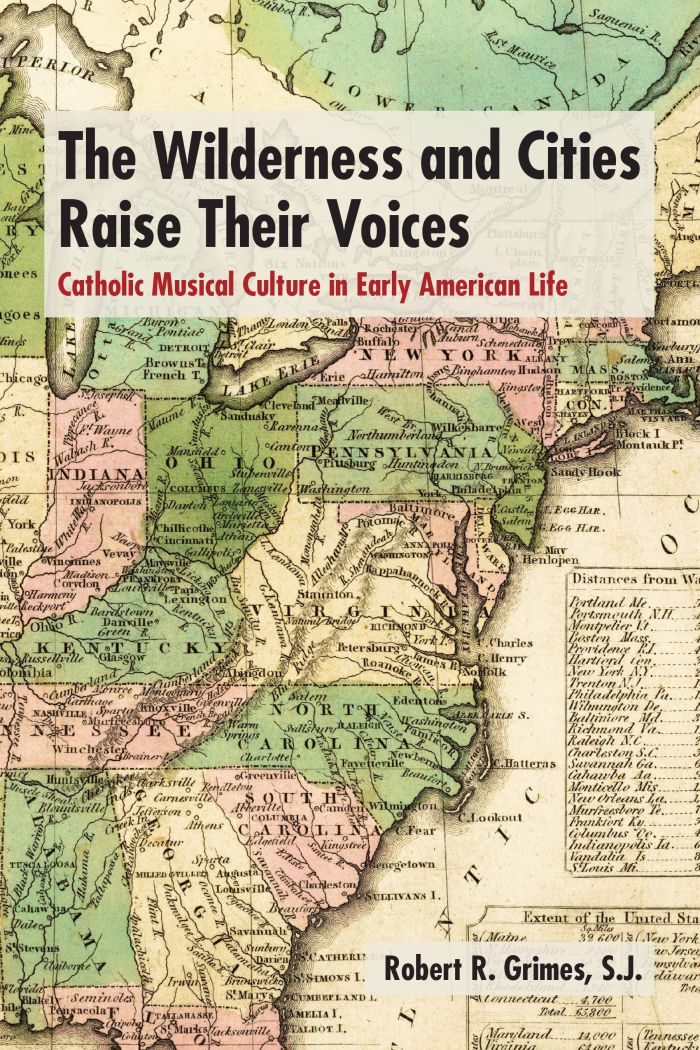
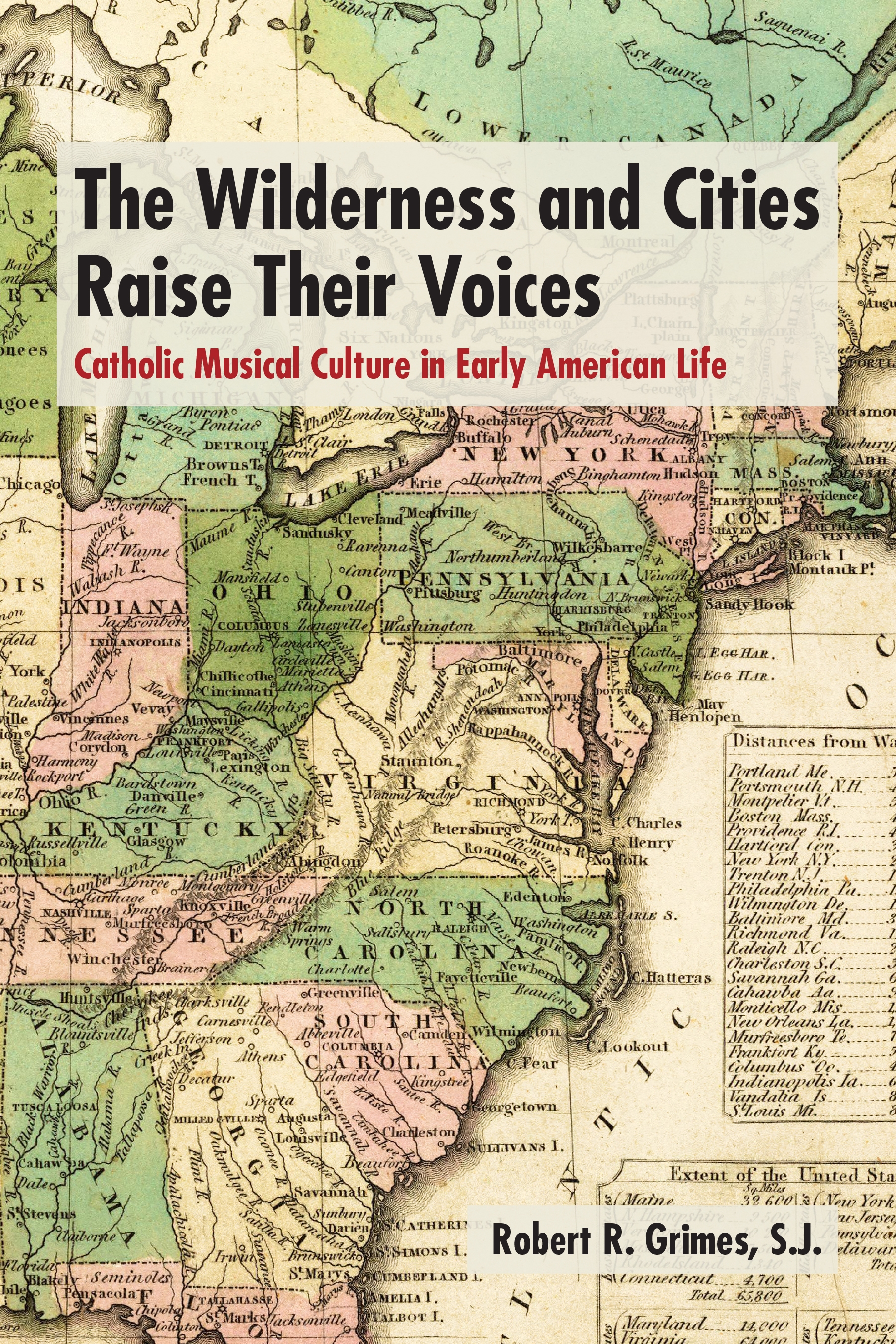
The Wilderness and Cities Raise Their Voices
Catholic Musical Culture in Early American Life

This book can be opened with

Explores the great diversity of Catholic people and musical styles in the early American Republic from the wilderness of Maine, through the bustling cities of Boston to Baltimore, among immigrants from France and Haiti, to the rolling hills of Kentucky
As the first comprehensive look at Early American Catholic musical culture, The Wilderness and Cities Raise Their Voices provides a broader perspective than earlier studies of specific hymn collections. It thereby opens a new vista into the variety of Catholic music in the young nation. Rather than focusing simply on repertoire, this is the first study of Catholic musical culture between the years of 1783 and 1830.
This study focuses on five cities which would become the first dioceses in the United States: Baltimore, Boston, Bardstown, Philadelphia, and New York. In some cities, bishops took a great interest in music: Cheverus in Boston and David in Bardstown, for example. In other cities, it was the laity who took control, notably in Philadelphia.
With the exception of Philadelphia, no semblance of a Catholic musical culture in Britain’s American colonies has come down to us in any documented or retrievable form. Yet as soon as independence was achieved, Rome recognized an American Church in the appointment of John Carroll. Under his inspiration, developing Catholic musical culture became an important priority in many different areas of the new country.
It is a fascinating period in American Catholic history where women composers, organists, and conductors could be found working side by side with their male counterparts in the cities of Boston and Baltimore while plainchant could be heard from the forests of northern Maine to the wilderness of Kentucky. Yet it was also becoming a period of rapid change. The flow of Catholic immigrants and the growth of the commercial musical press gently moved their musical culture toward more popular styles with a more devotional content.