Save 40% plus free shipping during our Summer Sale! Browse books.

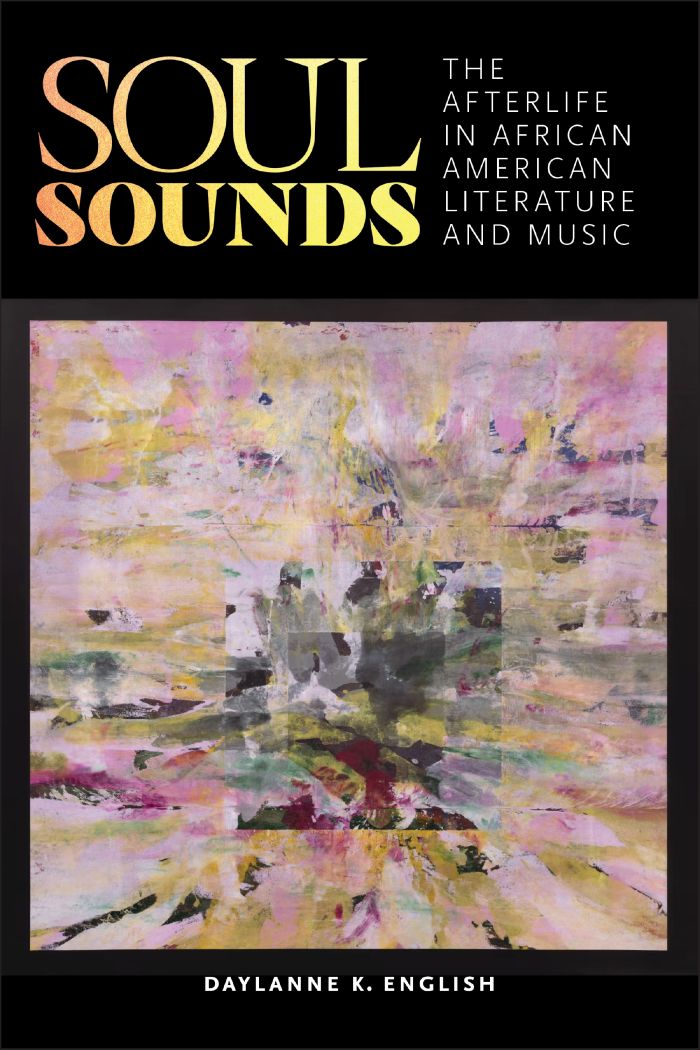
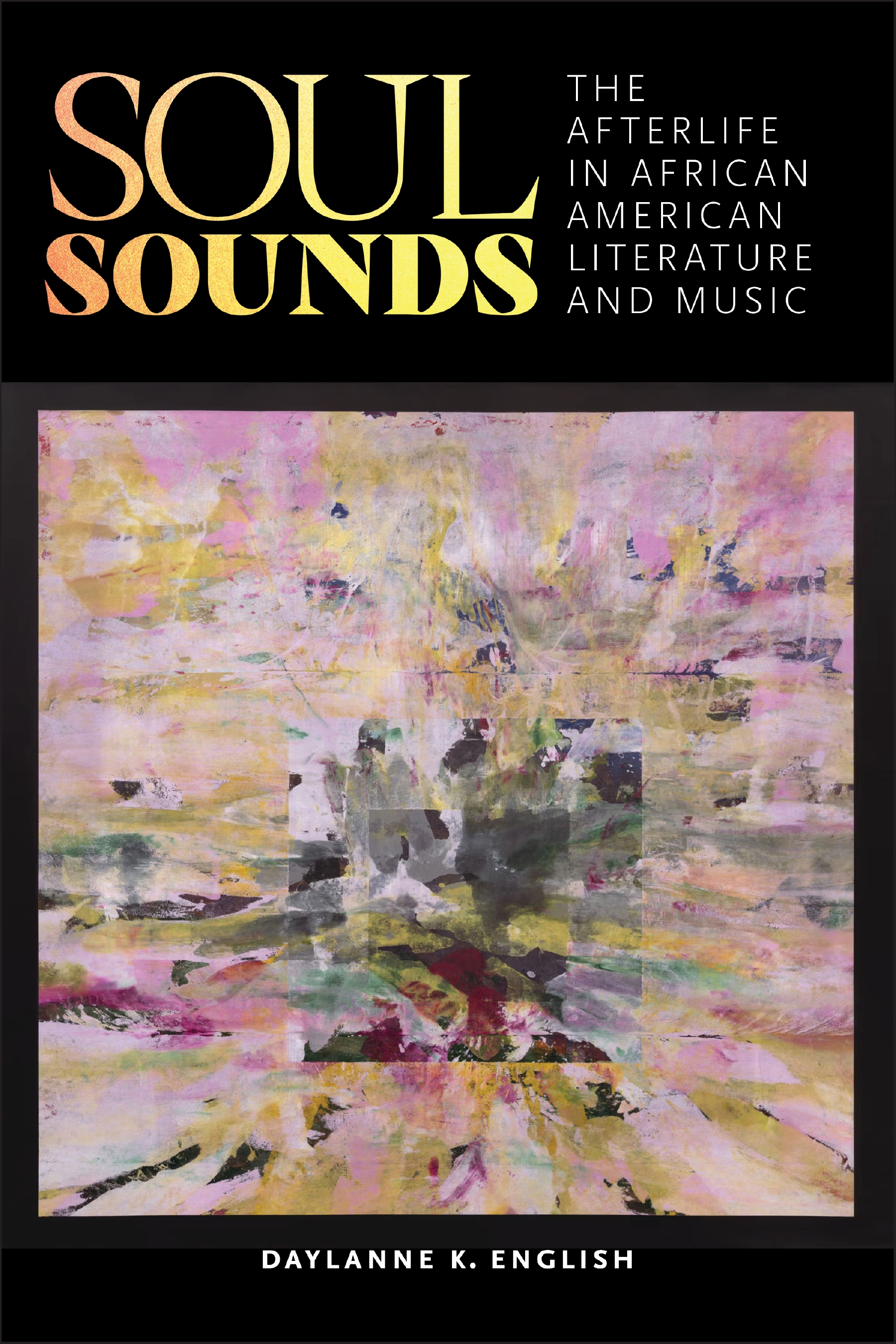
Soul Sounds
The Afterlife in African American Literature and Music

This book can be opened with

A timely, accessible, and empowering analysis of the afterlife, offering an important corrective to assaults on Black life, art, and culture
Despite its recurrent representation, a literal afterlife has been surprisingly neglected in Black literary and music studies. Soul Sounds addresses this gap by locating in spiritualist narratives, narratives by the formerly enslaved, contemporary Black poetry, and hip-hop music an afterlife that is at once futuristic, eternal, and temporally proximate and therefore offers us continuous access to other, possibly better, times. Combining literary studies, sound studies, time studies, Black Feminist Theory, and religious studies, it is the first book to identify and theorize an “agential afterlife” in African American literature and music from the mid-nineteenth century to the present.
Considering works by Paschal Beverly Randolph, Harriet Jacobs, Ross Gay, Danez Smith, Janelle Monáe, and Kendrick Lamar, among others, Daylanne K. English demonstrates how their content and form construct that transtemporal, agential afterlife. Her close readings of texts such as Incidents in the Life of a Slave Girl, Don’t Call Us Dead, and “United in Grief” reveal a sociality of form that corresponds to real life sociality, with the afterlife, too, working as a social form and as a partner to the arts.
Soul Sounds shows how these artists contribute to a longstanding tradition of nonlinear time that aids collective creating and imaginative rebuilding. English thereby calls into question dominant current uses of the afterlife as purely metaphoric, as in Saidiya Hartman’s influential concept of the “afterlives of slavery.” Although this book challenges the Afropessimism of Hartman and others, it does not then dismiss it, instead bringing Afropessimism together with Afro-Optimism.
Grounded in the urgency of the now, Soul Sounds advocates for the power of a critical and creative afterlife to sustain literary and scholarly traditions, shape current scholarship, and support contemporary activisms.
In Soul Sounds, Daylanne K. English clearly and persuasively argues for the afterlife’s generative potential across a wide array of Black cultural forms. As she insists, the afterlife is a means by which to think of historical time against the conventions of periodization, and to actively imagine and create a future. What could be more timely?—Habiba Ibrahim, author of Black Age: Oceanic Lifespans and the Time of Black Life