Save 40% plus free shipping during our Summer Sale! Browse books.

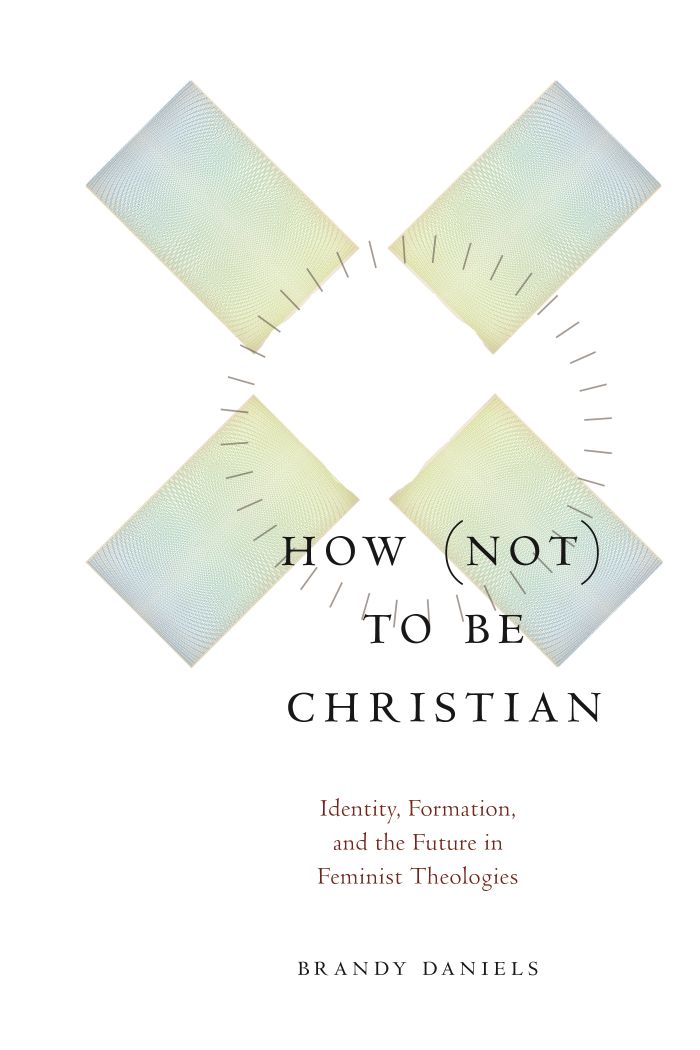
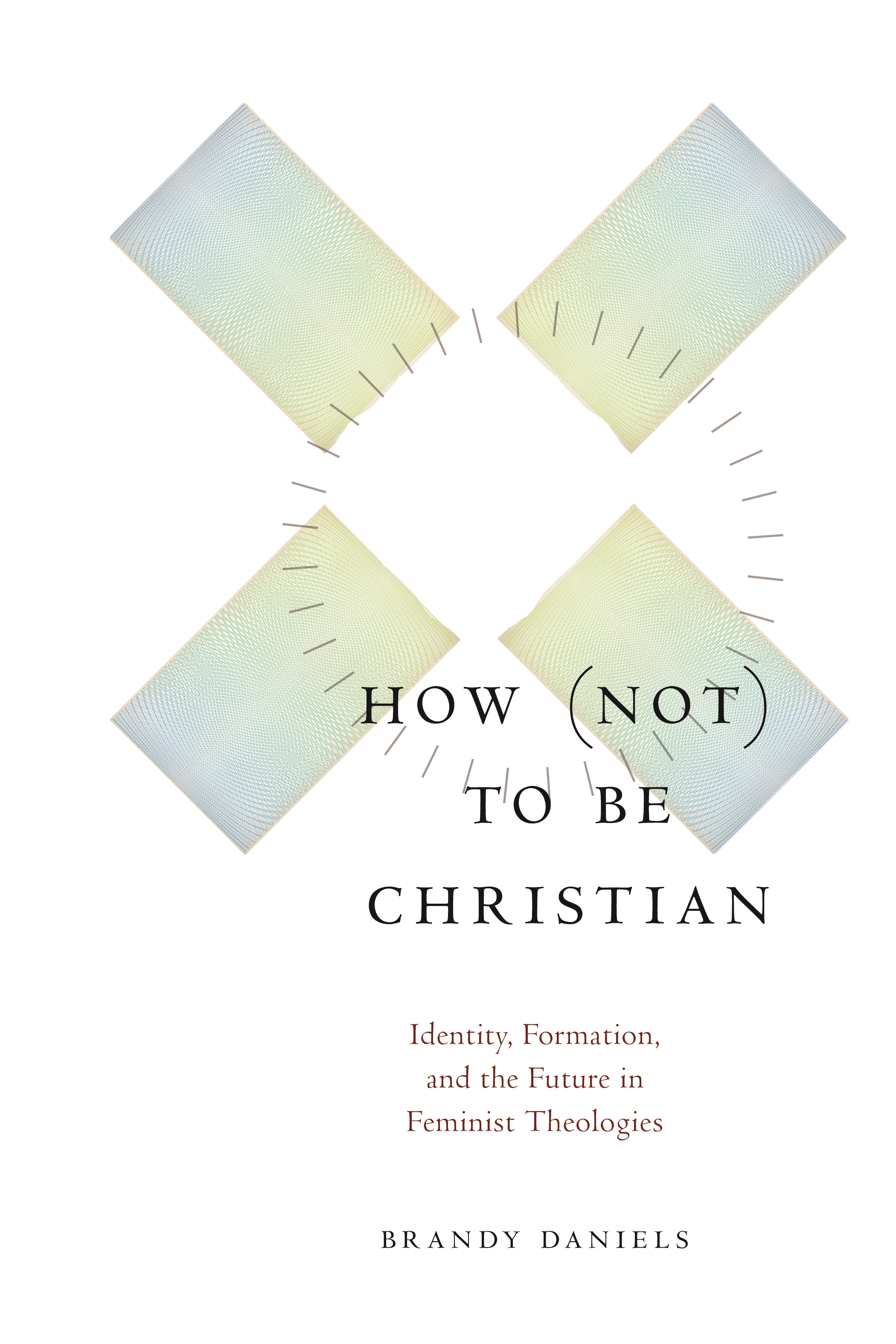
How Not to Be Christian
Identity, Formation, and the Future in Feminist Theologies

This book can be opened with

Draws on queer theories of temporality and subjectivity to challenge the telos of a singular Christian identity within feminist theological accounts of formation
How Not to be Christian theologically and theoretically explores ethical and political questions around identity and intersectionality. How do we think about our identities theologically? How do we think about how the different aspects of our identities relate to each other theologically? And, how do we think about religious identity in relation to other social identities? In particular, this project explores formation—how we become selves with identities. It examines how theologians have turned to formation in the pursuit of a generous orthodoxy, exploring how a diverse range of theologians and ethicists shaped by postliberalism have looked to Christian identity as an ethical resource in the pursuit of inclusion and justice with regards to other social identities—what this project refers to as forms of intrasubjective difference. Focusing particularly on prominent feminist and queer theologies (looking to the work of Elizabeth Stuart, Sarah Coakley, and Serene Jones), this book critically examines how they presume and posit a singular, stable vision of religious identity as the telos to which gender and sexual identities must bend. It argues that the gender and sexual difference they aim to make space for is effaced by and subsumed into Christian identity. Engaging with poststructuralist thought (especially the work of Michel Foucault) and queer theories around performativity (Judith Butler) and temporality (Lee Edelman and José Esteban Muñoz), as well as theological reflections on method, anthropology, and sin, this book considers both the limits and costs of the teleological thrust underlying these accounts of formation. From there, it explores the possibilities of unformation, and (de)constructively considers what it might mean to pursue unformation in both theological method and ethics—in how we do theology and in how we live.
Very few authors can range across such a wide array of contemporary Christian theological and feminist and queer theoretical discourses with the originality, precision, insight and clarity that Brandy Daniels demonstrates here. That Daniels does so in the service of vital questions—how can Christian formation take seriously the particularities of actual Christians in ethically and politically responsible ways—makes this book that much more noteworthy.—Kent L. Brintnall, Associate Professor of Religion, Gender & Sexuality, UNC Charlotte, co-editor, Lee Edelman and the Queer Study of Religion
Brandy Daniels has written the definitive argument against Christian identity. “Who is the we?”, she time and again presses even the most well-meaning defenders of inclusion, laying bare their hidden teloi in an exercise that is equal parts “pain seeking understanding” and nuanced theoretic critique. But Daniels achieves something much more remarkable than critique: by leaning deeper into negativity, she ends up offering “something more” to those of us who are craving hospitality not just for our inter- but even our intrasubjective difference. I needed this book!—Hanna Reichel, author of After Method: Queer Grace, Conceptual Design, and the Possibility of Theology