Save 40% plus free shipping during our Summer Sale! Browse books.

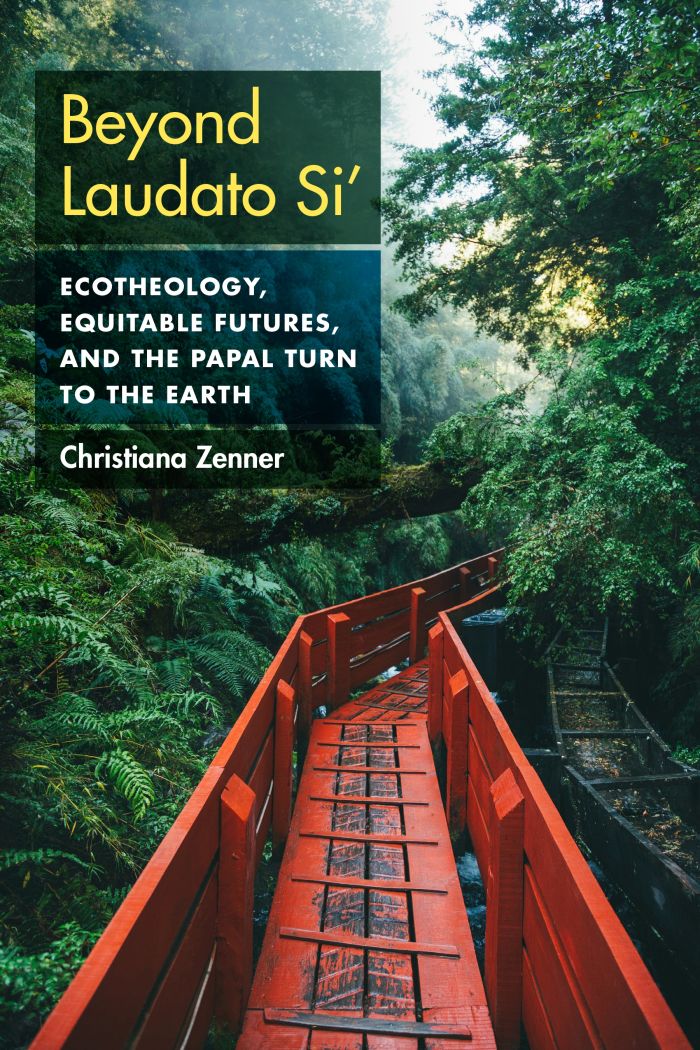
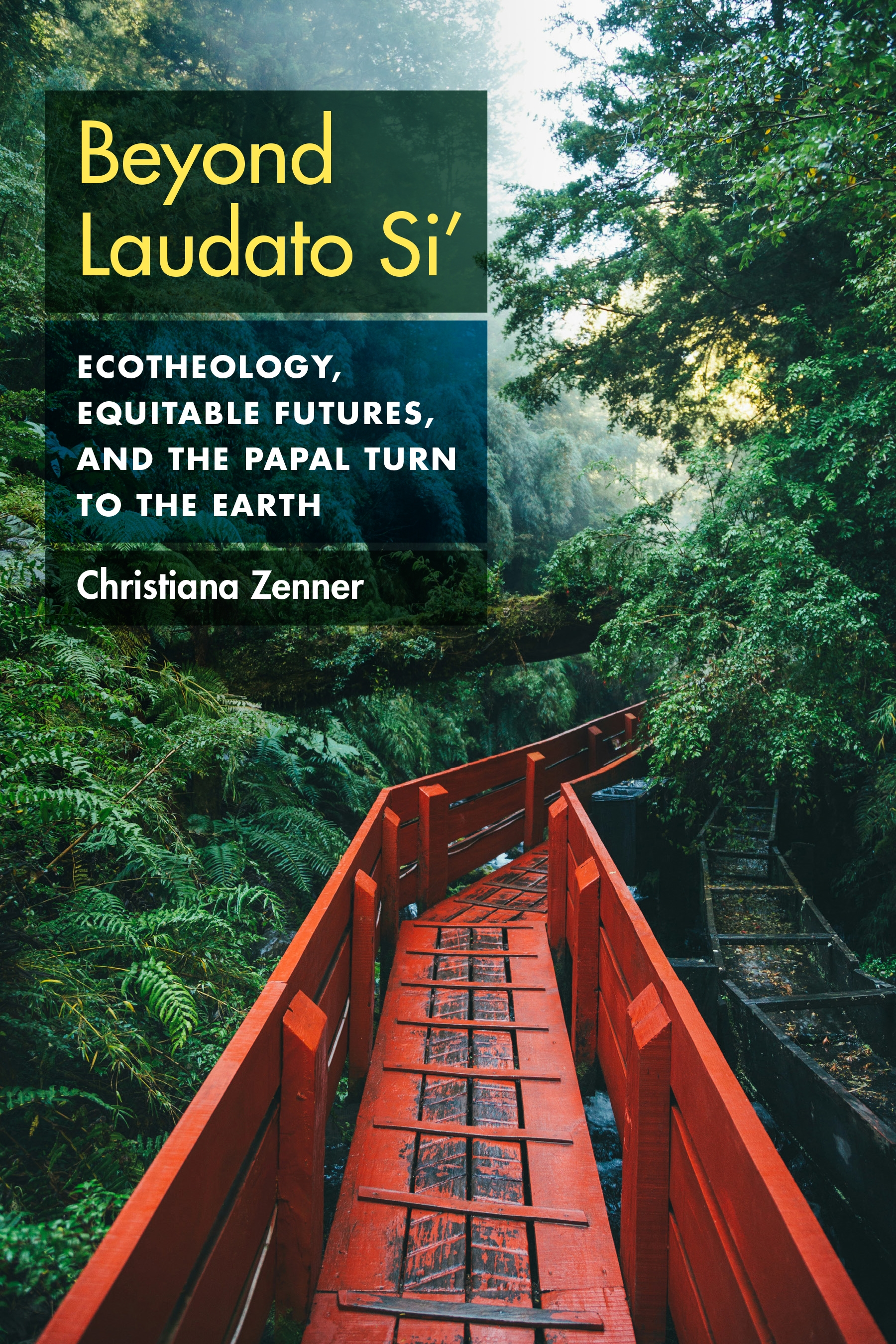
Beyond Laudato Si'
Ecotheology, Equitable Futures, and the Papal Turn to the Earth

This book can be opened with

Engages with the prehistory and contemporary afterlives of Laudato Si’ through critical and constructive engagement with the humanities, social sciences, and natural sciences using an intersectional, anti-colonial feminist methodology
Laudato Si’: On Care for Our Common Home, Pope Francis’s encyclical on ecology, was addressed to “every person living on the planet” and released in the of summer 2015 to critical skepticism and enthusiastic acclaim. From the professoriate to political pundits, from the apathetic to the atheistic, from Harvard economists to secular Jewish feminist thought leaders, Laudato Si’ (LS) got people’s attention. It remains the most important legacy of Pope Francis and stands as a historical referent of global moral clarity in a period of ecological degradations, racial capitalism, and widespread social suffering.
Beyond Laudato Si’ advances an intersectional feminist, anti-colonial method to explore the LS’s prehistory, its claims, its impact, its key contributions, and its recursively freighted concepts. With chapters that chart the trajectory of theology and science in the Catholic Church, the allure of integral ecology, the dangers of gendered theological abuse, and the turn to Indigenous values, Beyond Laudato Si’ elegantly charts the intellectual and ethical patterns that emerge and resurface in various theoretical and practical contexts of papal ecotheology. These topics, while not often considered together, reflect larger theological histories and collective behaviors and must be oriented toward integrity in theological reasoning and pursuit of equitable social formations in the present and future.
Characterized by rigorous interdisciplinarity (among the humanities, social sciences, and natural sciences) and grounded in an intersectional, anti-colonial feminist viewpoint, Beyond Laudato Si’ amplifies and engages key concepts from LS and its afterlives, while also elucidating persistent themes, troubles, and methods in Catholic ecotheology and ethics.
Given the broad and commonly recognized reach of Laudato Sí, Zenner offers here a fresh voice and important, often overlooked, perspectives. As a leading expert on Catholic social teaching who is also immersed in feminist, ecofeminist, Indigenous and anti-colonial discourses, Zenner’s take on this influential text is original, insightful, and charitable—as well as critical and constructive. If you think you know Laudato Sí, Zenner’s insights, erudite scholarship, wide-ranging set of interlocutors, and incisive analysis will make you think again.—Terra Schwerin Rowe, author of Of Modern Extraction: Experiments in Critical Petro-theology
Introduction: Beyond Laudato Si’ | 1
1 Origin Story and Main Claims of Laudato Si’ and Laudate Deum | 10
2 Assessing the Impact of Laudato Si’ | 32
3 Theology and Science in the Catholic Church: From Galileo to Laudato Si’ and Laudate Deum | 59
4 Integral Ecology: Alluring Concept, Critical Analyses | 87
5 Sex, Gender, and Theological Abuse Culture in and Beyond Laudato Si’ | 114
6 The Turn to Indigenous Values and the Dangers of Colonial Reinscription | 147
Conclusion | 191
Acknowledgments | 195
Notes | 199
Bibliography | 239
Index | 249